Emergency Line +234 904 292 9406

Our Services

Care you can reach, in the place where you live.

Boniface and Paulina Okafor Memorial Hospital provides quality, subsidised healthcare to families in and around Isuochi. Below is everything the hospital offers, and what to expect when you come.

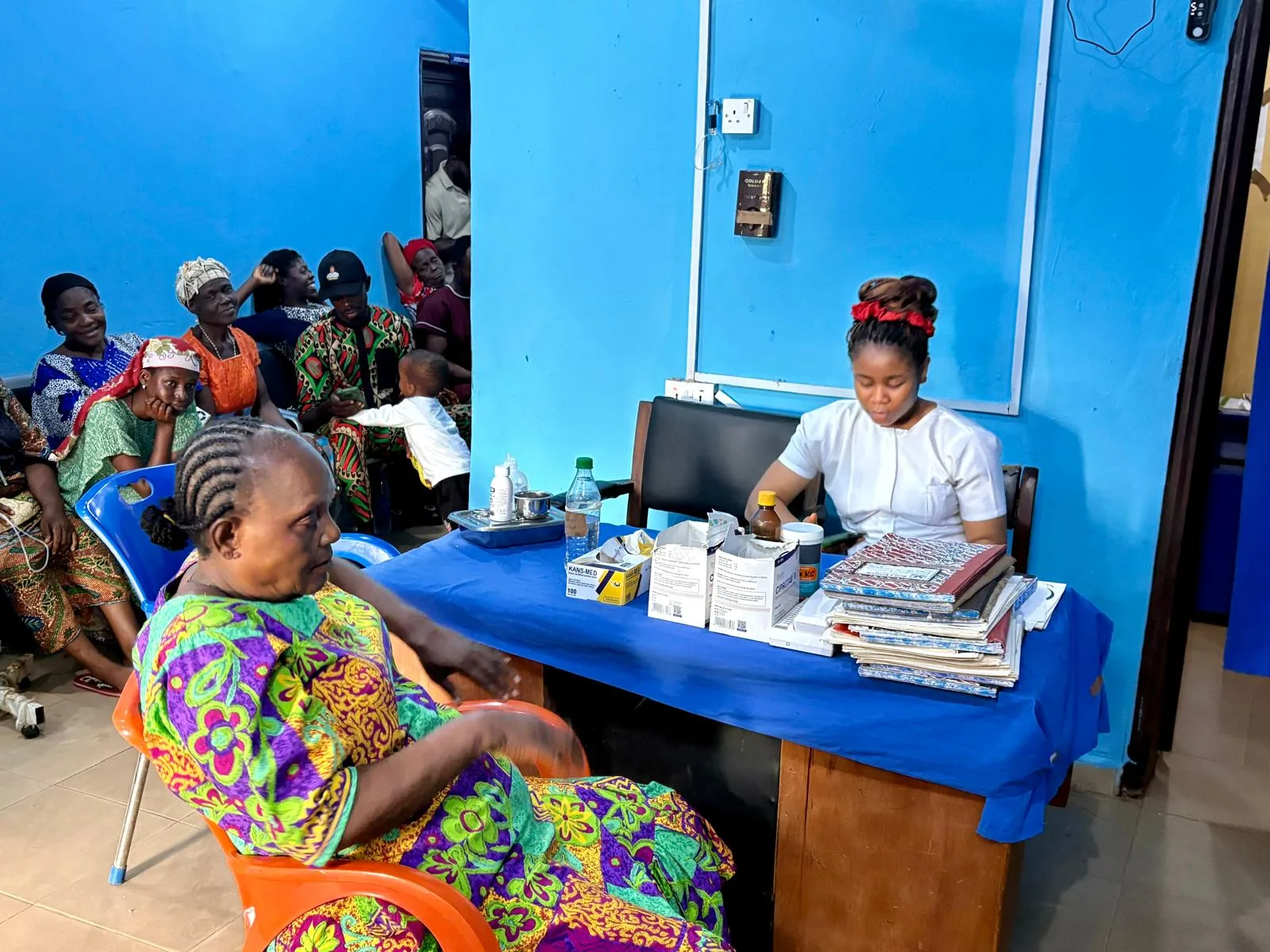
A member of the hospital team sitting with a patient at a desk

Go straight to what you need.

  • 01

    Medical consultation, day or night

  • 02

    Antenatal care and safe childbirth

  • 03

    Care for babies and children

  • 04

    Surgery and staying overnight

  • 05

    Laboratory, diagnostics and ultrasound

  • 06

    Sight testing and eye care

  • 07

    Medicines dispensed on site

  • 08

    Support for the things that are harder to say

  • 09

    Outreach clinics closer to home

  • 10

    Training the Health Care Assistants this region needs

See a doctor

Medical consultation, day or night

You do not need an appointment to be seen. Come to the hospital and the team will check you, explain what they find, and tell you what it will cost before treatment begins. A doctor lives on site, so there is someone here through the night and at weekends.

  • Open 24 hours, with a doctor in residence
  • Walk in, or request an appointment ahead of time
  • Costs explained before treatment starts
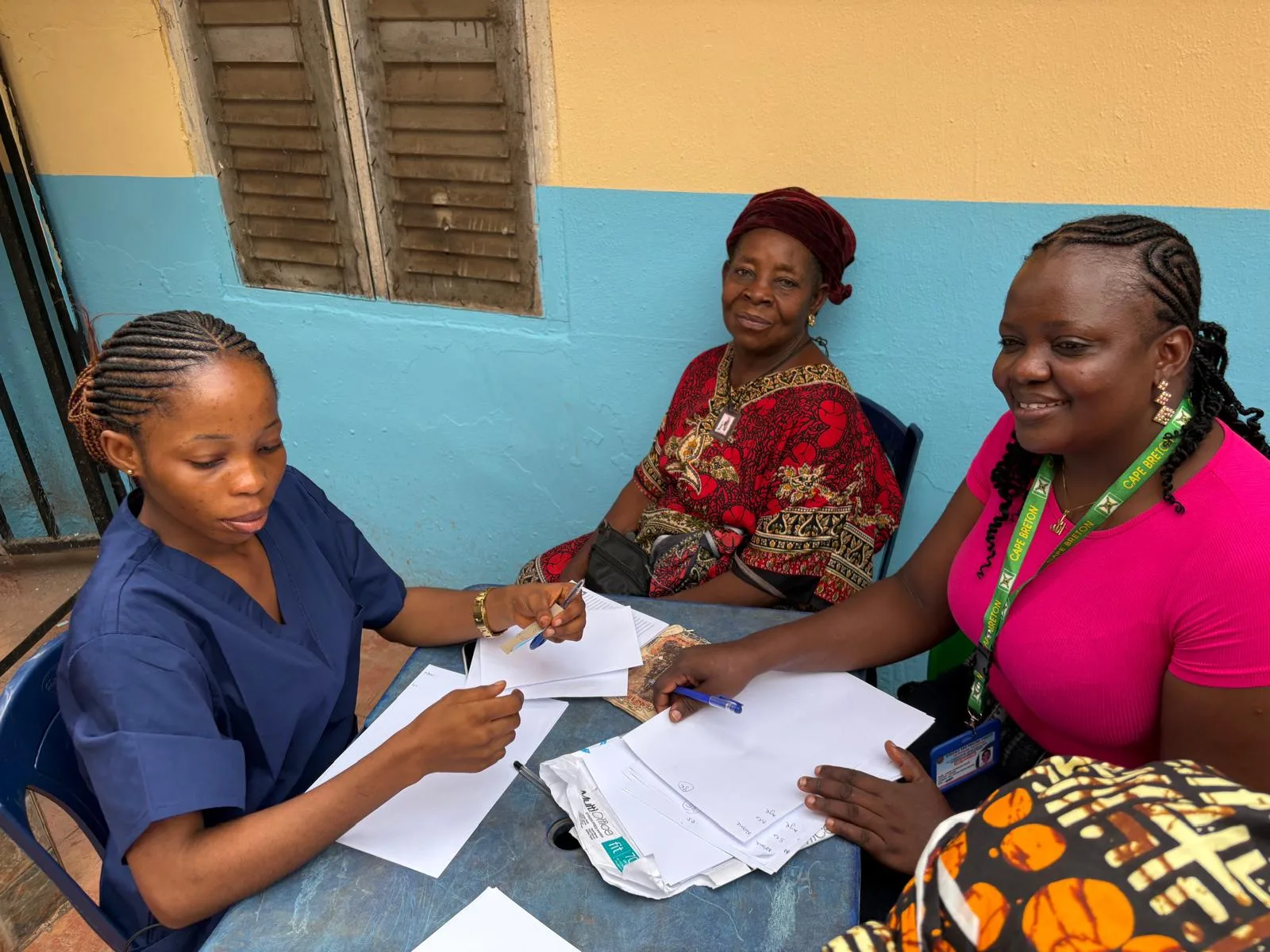
A member of the hospital team sitting with a patient at a desk

Mothers and babies

Antenatal care and safe childbirth

Regular checks through pregnancy let the team follow how you and your baby are doing, treat problems early, and plan for the birth. The hospital has its own maternity ward, so you can deliver here rather than travelling while in labour.

  • Antenatal checks through pregnancy
  • Delivery in the hospital's maternity ward
  • Care for you and your baby after the birth
Mothers holding their babies at the hospital

Children

Care for babies and children

Bring your child for immunisation, for the ordinary fevers and stomach upsets that worry every parent, and for anything that is not getting better. Malaria, chest infections and diarrhoea are treatable when they are caught early, and dangerous when they are not.

  • Routine childhood immunisation
  • Treatment for malaria, chest and stomach infections
  • Advice on feeding, growth and recovery at home
A nurse preparing medicines and vaccines at a clinic table

Surgery and admission

Surgery and staying overnight

The hospital carries out surgery and can admit you for as long as your recovery takes. There are 27 beds across the wards. Solar panels and batteries keep the power on around the clock, and the hospital's own treated-water plant supplies the wards.

  • Operating theatre and surgical care
  • 27 beds, including a maternity ward
  • Power and clean running water 24 hours a day
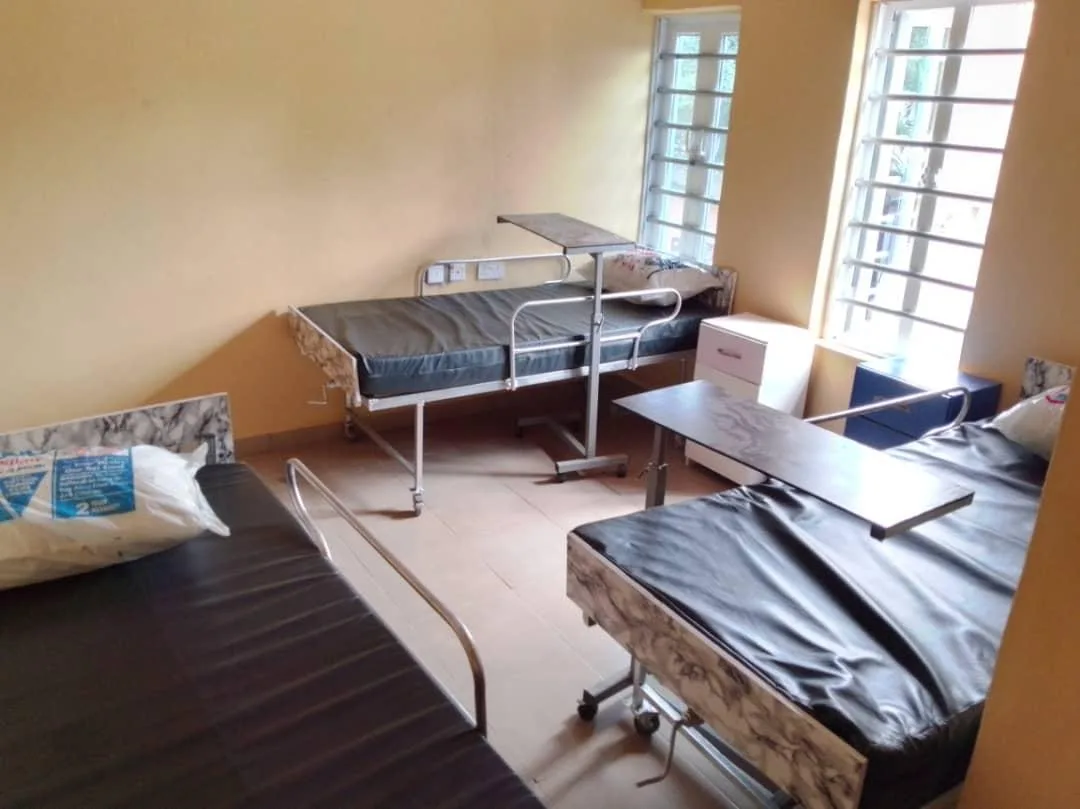
Beds made up and ready on a hospital ward

Tests and scans

Laboratory, diagnostics and ultrasound

Guesswork makes treatment more expensive, not less. The laboratory and diagnostic centre runs the tests that confirm what is actually wrong, and ultrasound is available for pregnancy and for investigating pain or swelling.

  • Laboratory and diagnostic centre on site
  • Ultrasound scanning
  • Tests for malaria, blood pressure, diabetes and infection
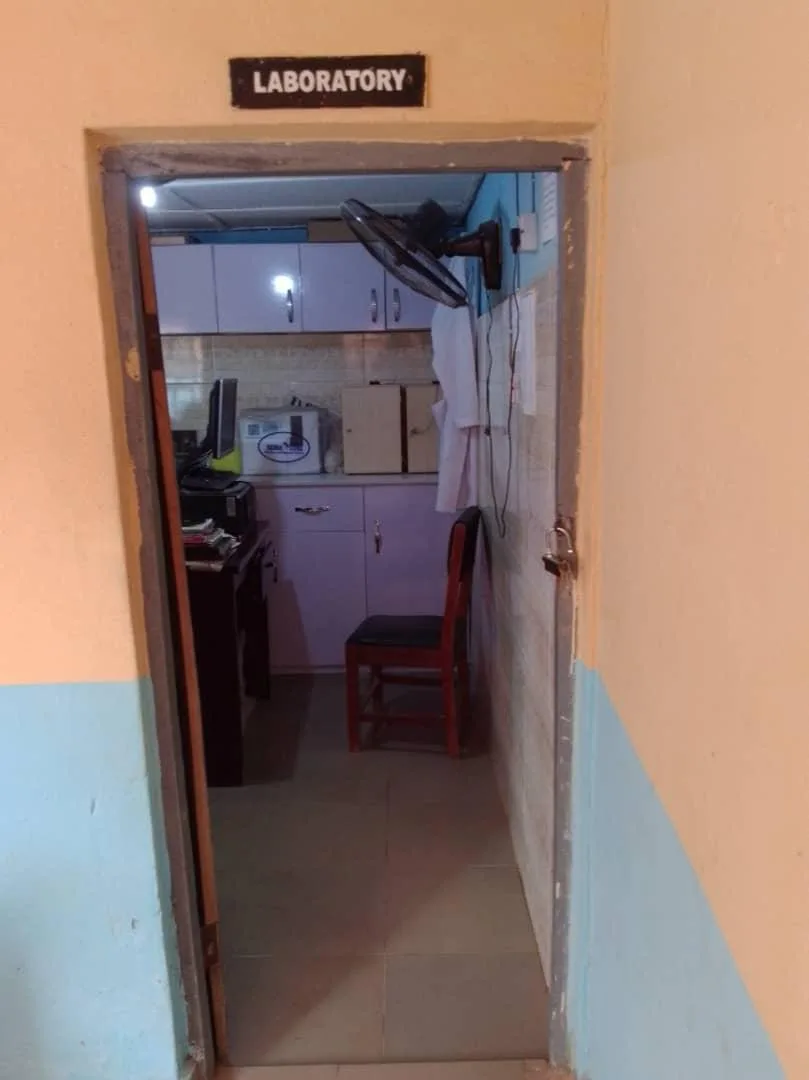
The entrance to the hospital laboratory

Eye clinic

Sight testing and eye care

Losing your sight costs you your work and your independence, and a great deal of it is preventable. The eye clinic checks vision, treats infections and irritation, and identifies the people who need to be referred on for surgery.

  • Vision checks for adults and children
  • Treatment for eye infections and irritation
  • Referral onward where surgery is needed
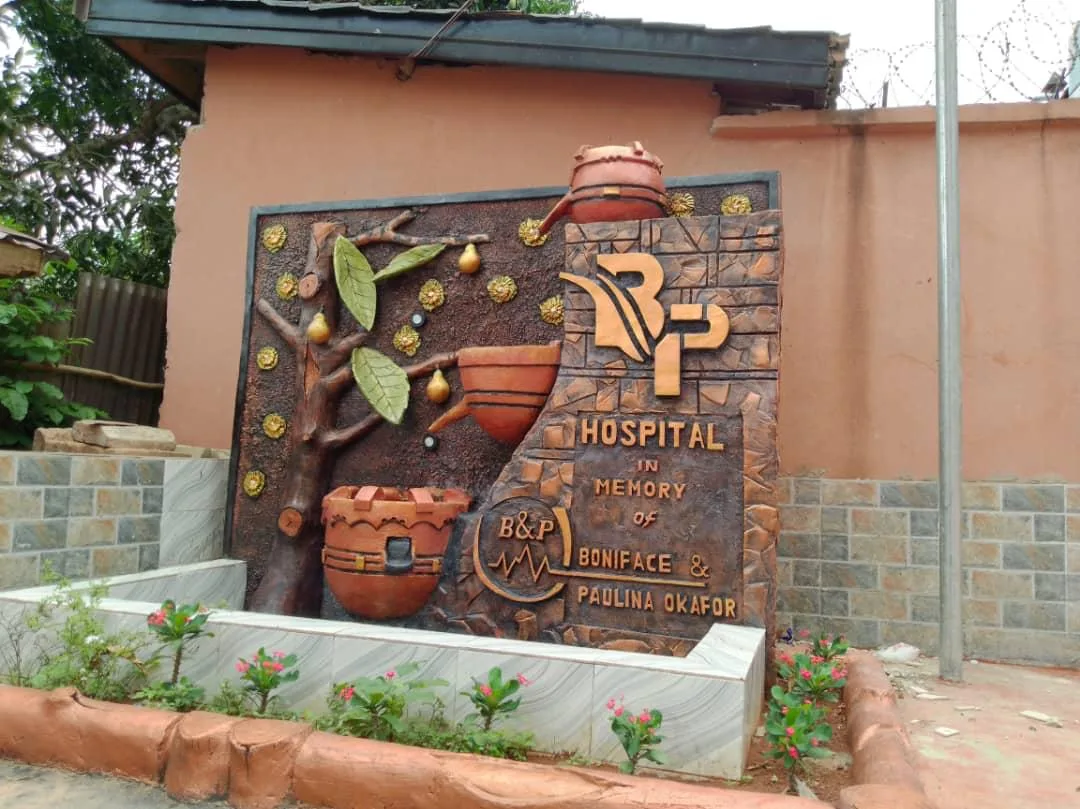
Boniface and Paulina Okafor Memorial Hospital sign at the facility entrance

Medicines

Medicines dispensed on site

There is no point in a prescription you cannot fill. Medicines are stocked and dispensed at the hospital, and the team will explain how to take them, for how long, and what to do if you feel worse instead of better.

  • Prescriptions filled during your visit
  • Clear instructions on how and when to take them
  • Support for long-term conditions such as blood pressure and diabetes
Beds made up and ready on a hospital ward

Counselling and health education

Support for the things that are harder to say

Confidential counselling is available for emotional, family and personal difficulties. The team also runs health education so families know how to prevent malaria, recognise high blood pressure and diabetes, and understand what treatment involves before they need it.

  • Confidential counselling for individuals and families
  • Health education on malaria, blood pressure, diabetes and HIV
  • Home visits by doctors and nurses for patients who cannot travel
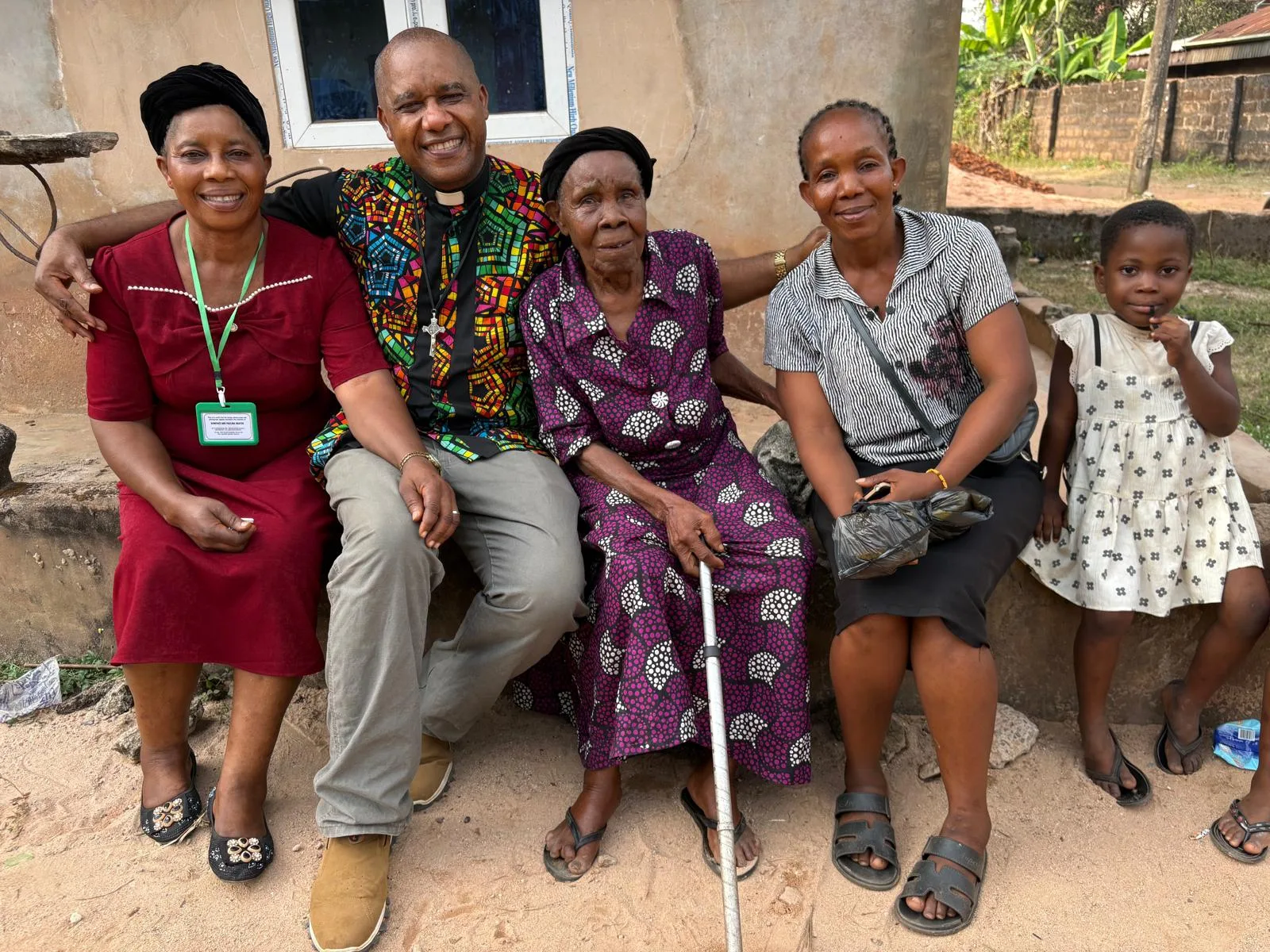
Hospital staff visiting and sitting with older members of the community

In the community

Outreach clinics closer to home

For many families the journey to a hospital is the reason care never happens. The hospital and the Nigeria Family Helper Program run outreach clinics that bring checks, treatment and health advice into the surrounding communities.

  • Periodic clinics held in surrounding communities
  • Checks, treatment and health advice at no cost to attend
  • Referral to the hospital for anyone who needs more care
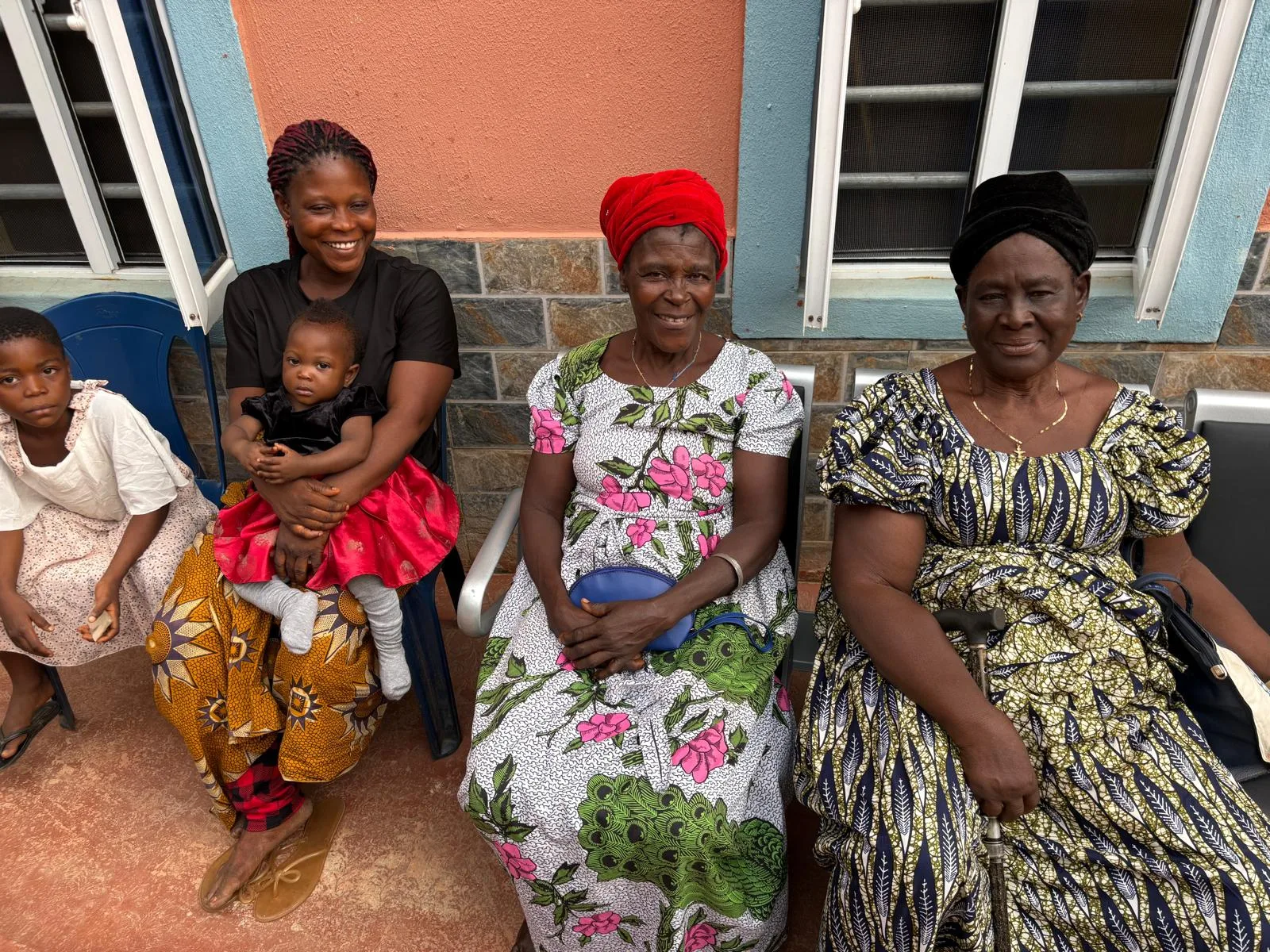
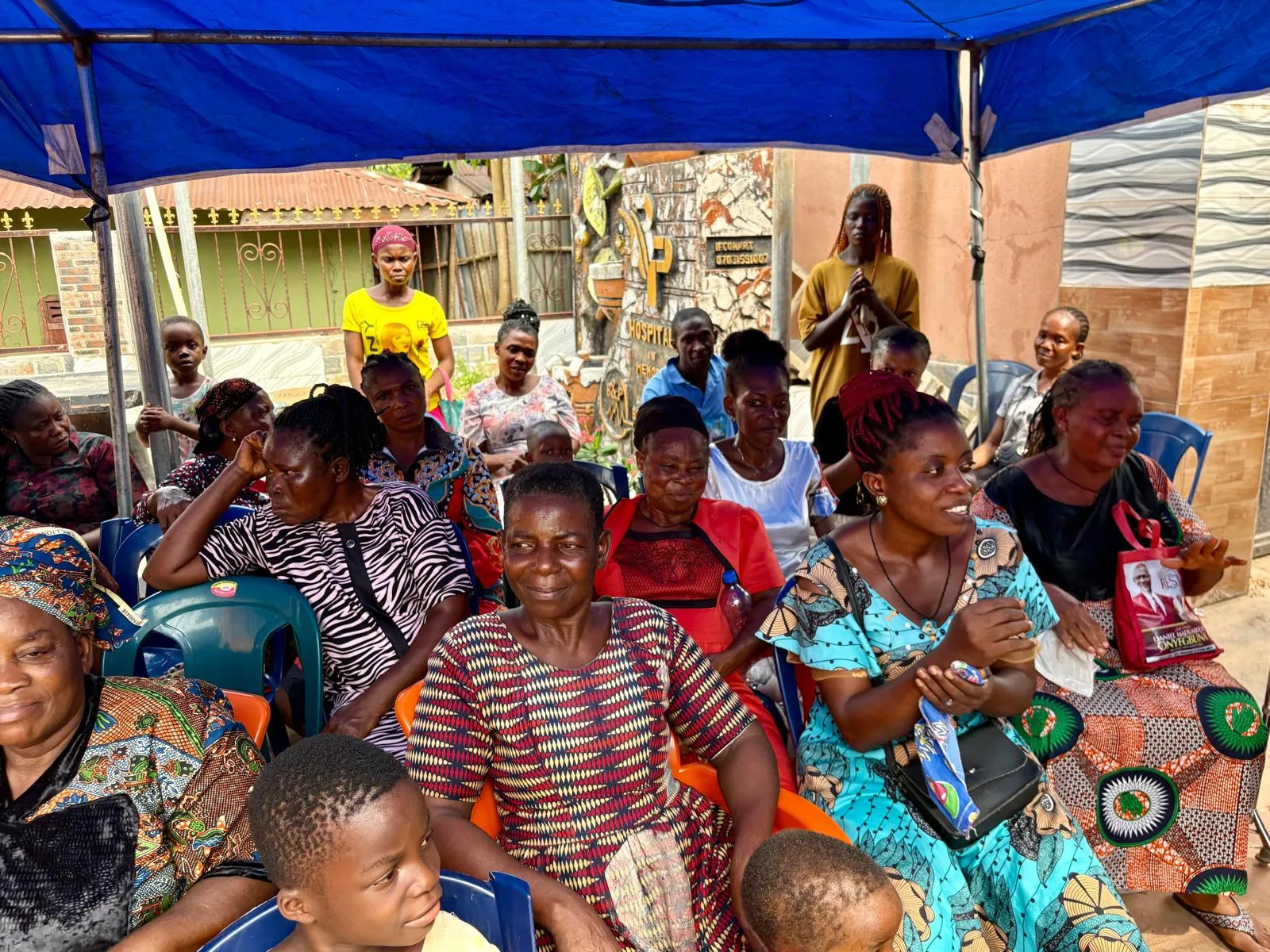
Community members waiting to be seen at a medical outreach clinic

Training

Training the Health Care Assistants this region needs

The shortage here is people, not just equipment. The hospital runs Health Care Assistant training, and 8 students are in training as Health Care Assistants. Every one of them is a person who stays in this community and keeps caring for it.

  • Health Care Assistant training at the hospital
  • 8 Health Care Assistants currently in training
  • Skills that stay in the community
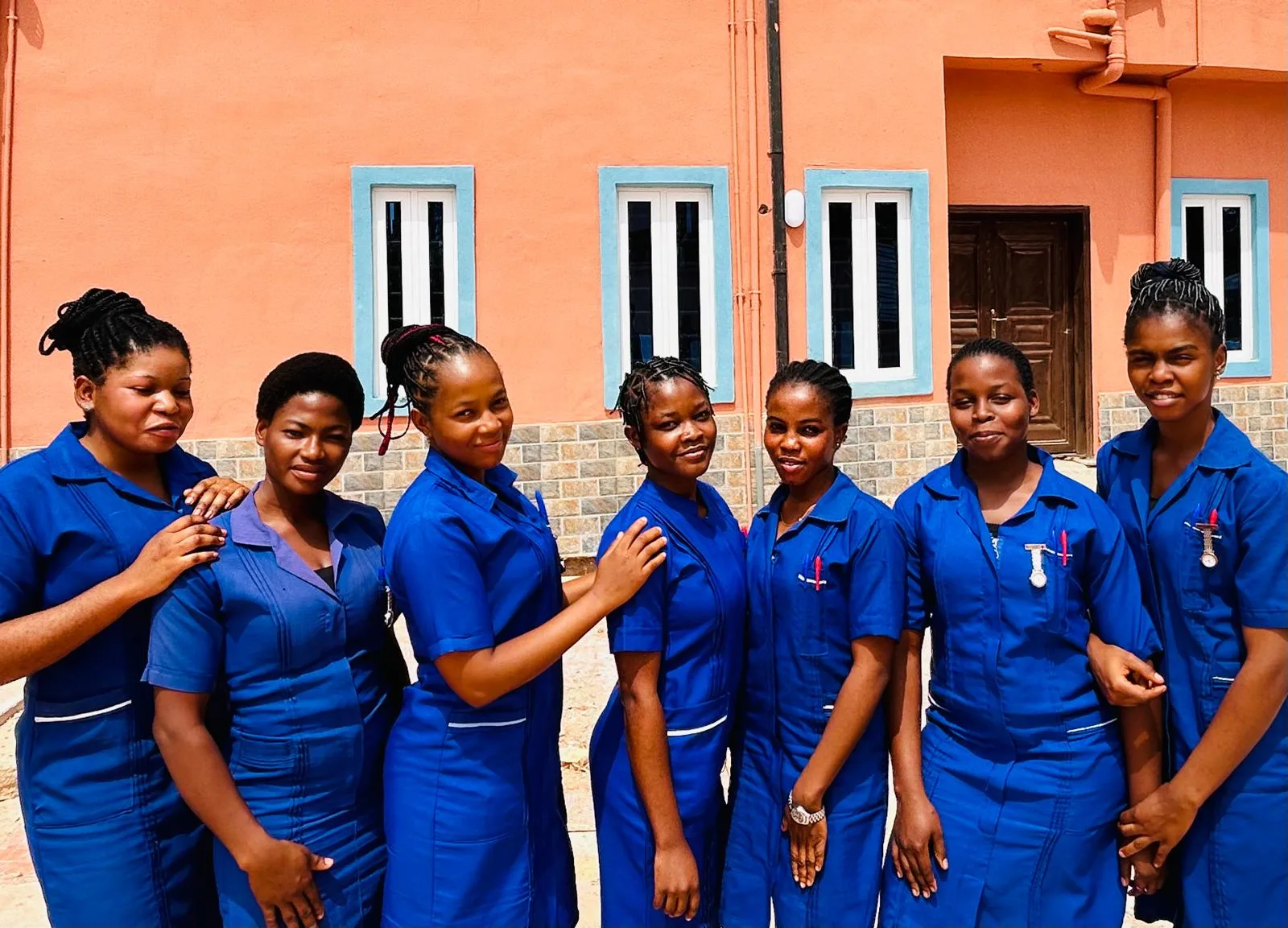
Members of the hospital nursing team

Why this matters

What this hospital does in a year.

The hospital exists because the Nigeria Family Helper Program built it. These are the figures the program reports as of May 2026.

2,292 Patients treated each year Seen at the hospital in Isuochi.
1,800 Cared for at outreach clinics Reached in their own communities.
88 Children in school School fees and materials covered.
63 Families registered for support Receiving food, shelter or care help.

Figures reported by the Nigeria Family Helper Program (Charity Registration 88889 4268 RR0001) as of May 2026. Visit the program website.

Departments and the teams behind them.

Services are delivered by these departments. If you are not sure which one you need, ask at reception and someone will point you to the right place.

  • Diagnostics & Laboratory

    Blood work, imaging, and diagnostic testing services.

  • Emergency Care

    24/7 urgent and emergency medical treatment.

  • General Medicine

    Care delivered by the hospital's clinical team.

  • Maternity Care

    Prenatal, delivery, and postnatal care for mothers and newborns.

  • Pediatrics

    Healthcare for infants, children, and adolescents.

  • Spiritual Care and Psychotherapy

    Confidential spiritual-emotional support, counselling, and psychotherapy through reviewed teleconsultation requests.

  • Surgical Services

    Elective and emergency surgical procedures.

If you need care

Come in, or ask us to call you back.

You can walk in at any hour. If you would rather arrange a time first, send a request and the team will confirm what is available.

If you want to help

Keep this care available all year.

Care here is subsidised for families who could not otherwise pay for it. Regular monthly giving is what keeps the wards staffed and stocked between campaigns.

Contact Us